We often think of surrender as passive or something we do when we are defeated, but what if it’s actually just the thing that commands the return of your intuition, your rhythm, your body’s wisdom?
When a woman moves stress that lingers, unaddressed traumas, or the quiet pressure to perform from society or peers, the nervous system slowly starts to change its rhythm. Over time, the body adapts to being in survival mode. In this state, the sympathetic nervous system or fight or flight response dominates. The brain prioritizes control, action, and doing, which are all qualities associated with the masculine energy. I expand on this more thoroughly here in my book.
The body naturally shuts down softness, sensuality, and receptivity because these things require safety and trust in order to exist. In essence, she is trading her flow for function and her intuition for efficiency. This is an intelligent adaptation, so it’s not something that we can easily override. But overtime, this kind of survival pattern can become a cage rather than the freedom we seek. I want to talk about some of the things we need to release as women in order to reclaim our feminine essence and a few practices to support you on your way.
What must be surrendered?
Reclaiming femininity or feminine energy requires a deep process of surrender in layers. Surrender sounds passive and weak if you let it. But it can be a release of what no longer serves or aligns. Let’s discuss.
The Illusion of Control
Control acts like our armor when life feels unsafe or unstable. This looks like trying to micromanage every single outcome, intellectualizing your feelings, overthinking every choice and needing a plan for every possibility. Control gives the illusion of safety, but also drains the nervous system and blocks our divine flow.
Surrender in this sense means trusting life again. Allowing faith in and divine timing to work through you. Choosing to be present in the moment over trying to predict the outcome. When you suffer in control, the parasympathetic nervous system activates. This helps to calm cortisol and adrenaline levels, increase oxytocin and serotonin, which naturally can create feelings of safety and openness.
Hyper independence
Hyper independence often forms in women who have learned the hard way that relying on others didn’t always feel safe. It usually arises as a trauma response to constant disappointment, abandonment or emotional neglect. Our nervous sytem adapts by staying self-sufficient and vigilant, even when support may be available. The body learns to stay in control and carry everything alone, making softness hard to access.
Releasing the need to prove your worth through self sufficiency would be the surrender in this case. Also letting yourself receive whether that be in the form of support, Love, care. Allowing people in instead of isolating. Allow yourself to receive helps to restore your magnetic feminine field. Women become radiant when they feel supported.
Hyper masculinity
Hyper masculinity in women specifically usually manifest as logic dominance resistance to vulnerability as well as overdrive. It can be a learn learned survival pattern from being in the environment that required constant resilience, productivity and control. The nervous system begins to associate safety with pushing, staying guarded and leading with action rather than receptivity.
In order to release this imbalance of energy, women have to learn to let go of over identifying with productivity and results. We have to be intentional about creating space for play, pleasure, intuition, and creativity. We also need to release the belief that our worth is tied to output. In feminine philosophy, the masculine gives us the structure that we need. But when a woman only leads from that structure, she begins to lose the life force that the feminine provides such as emotional awareness, softness, and magnetism. Surrender allows that balance to be restored. The masculine to hold us and allow allowing the flow with the feminine.
Suppressing Emotions
This is something I struggle with very much. Emotional suppression tends to be a form of survival for women who once learned that expressing what they truly felt could threaten their sense of safety, connection or stability. This numbing creates a disconnect from our pleasure, intuition and aliveness. What you see as calm composure may be someone carrying turbulent emotions beneath the surface, working hard to keep herself together.
When we allow our emotions to surface without judgment, we are surrendering this need to suppress emotions to survive. At the same time, grief or even rage may arise after all of the years that you spent disconnected from your body. And you should create space for yourself to express or release these emotions. Trusting your emotions as messengers and not threats. When emotions are safely expressed the limbic system in the brain communicates with the prefrontal cortex. Allowing emotional regulation to return oxytocin to rise and safety to reenter the nervous system.
Fear of being seen in softness
This was also a big one for me. I would buy all the makeup and all the hair products and never use them because I wanted to be seen as someone to take seriously. This is common in women and also we may subconsciously equate softness with weakness or vulnerability with being in danger. Especially if we have been hurt while being openhearted.
If we want to take back our feminine essence, we have to release the shame around our femininity. Reclaiming the right to be seen, adored, and emotionally available. Allowing beauty, sensuality, and grace to be our strengths and not liabilities.
Practices to support
When the nervous system shifts out of chronic survival mode, the brain naturally becomes more open to softness, intuition, and connection. The following practices gently signal to the body that it is safe to receive which is where our feminine energy begins to resurface.
somatic rituals
Body-based or somatic rituals like slow movement, Yin yoga, or sensual stretching help to release tension stored in the muscles and to get stagnant emotions and energy moving again. Somatic rituals work because the body is the fastest pathway available to regulate the nervous system. When you move slowly, touch your skin, stretch or intentionally ground the body, signals travel through the vagus nerve telling the brain that it is safe to shift out of survival mode. When we repeat these body-based practices, it helps to rewire emotional responses as the body begins to associate softness and presence with safety rather than threat. Chronic stress tends to push us into hyperactivity and disconnection from sensation. Somatic rituals bring awareness back into the body where intuition, creativity and emotional depth naturally thrive.
breathwork
Deep rhythmic breathing into the belly activates the parasympathetic nervous system and reconnects you to your flow. It also increases vagal tone which lowers cortisol levels and helps to move our brain into a calmer and more regulated state. Our prefrontal cortex is the area in our brain responsible for clarity, emotional regulation and connection. It functions more effectively when the nervous system is regulated. Our breath is one of the most powerful tools that we have to signal to the body that it is allowed to soften while keeping our strength.
pleasure
Taking the time for pleasure rituals such as beauty, self adornment, or massage to awaken sensory aliveness is critical. Experiences that give us pleasure activate dopamine and oxytocin pathways in the brain, which reinforces behavior connected to connection, creativity, and well-being. Neuroscience studies show that when we regularly allow pleasure into our lives it counteract the brain’s threat bias, which is usually heightened by stress or pressure to constantly perform or produce. This helps to shift the brain from a state of vigilance into a state of receptivity. In order to reclaim our feminine essence, we have to relearn the fact that joy, beauty and sensory enjoyment are regulation tools for our nervous system, and not things that we need to earn.
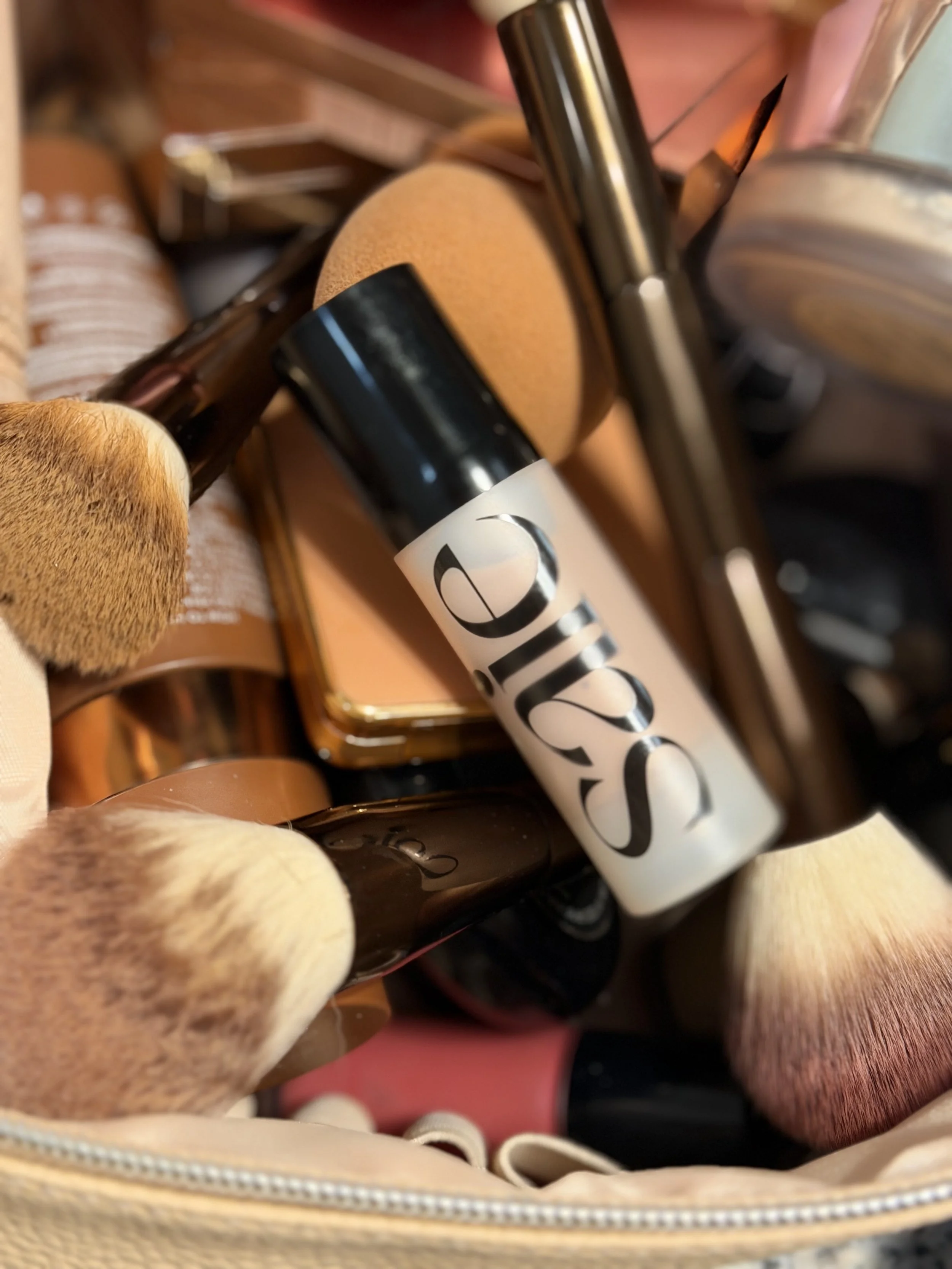
makeup therapy
rest
Using time to rest as nourishment. Deep rest restores cognitive and emotional processing in the brain, especially through activity in our default mode network. This is the system in the brain that is involved in reflection, identity integration, and creativity. When we pause long enough, the brain consolidates memories and can recalibrate stress hormones such as cortisol and adrenaline. Chronic over exertion keeps our nervous system on the defense, and this dulls our emotional depth as well as our intuition. Interpreting rest as devotion instead of laziness helps our brain to associate it with restoration and self-trust.
Let someone help you
Practice receiving. Let life surprise you. Start saying yes thank you you can help me with that instead of no I’ve got it. Allowing support helps to activate neural systems that are tied to social safety and bonding through oxytocin and our brain’s social engagement network. We as human beings are wired for co-regulation meaning our nervous system systems tend to calm and stabilize in the presence of our loved ones or people we can trust. When we stop carrying everything alone, the brain no longer has to stay in constant vigilance. Letting people help you signals safety, trust and openness. Over time, this requires the brain to experience connection as strength and community rather than risk.
Closing thoughts
When you surrender the survival base patterns that are keeping you in a state of hyper masculinity, you create space for your feminine essence to return. You invite in ease instead of tension and control. You begin to trust your intuition instead of relying on intellectual dominance. And you allow people to help and support you. When you do this, you’re nervous system rebalances and your energy magnetizes.
References
Gerritsen RJS, Band GPH. Breath of Life: The Respiratory Vagal Stimulation Model of Contemplative Activity. Front Hum Neurosci. 2018 Oct 9;12:397. doi: 10.3389/fnhum.2018.00397. PMID: 30356789; PMCID: PMC6189422.
Kearney BE, Lanius RA. The brain-body disconnect: A somatic sensory basis for trauma-related disorders. Front Neurosci. 2022 Nov 21;16:1015749. doi: 10.3389/fnins.2022.1015749. PMID: 36478879; PMCID: PMC9720153.
Ozbay F, Johnson DC, Dimoulas E, Morgan CA, Charney D, Southwick S. Social support and resilience to stress: from neurobiology to clinical practice. Psychiatry (Edgmont). 2007 May;4(5):35-40. PMID: 20806028; PMCID: PMC2921311.