I made a huge life change recently and it sent me spiraling. I let go of something that I had attached to my identity for so long and I had to rebuild my sense of who I was without that external thing. We tend to think of our identity as something that we uncover. Some truth that waits beneath the surface, longing to be revealed. But who we believe ourselves to be is not discovered at random. It is reinforced. Repeated. Rehearsed. Until it is eventually embodied.
Our brain doesn’t speak in poetry when it comes to identity. It is practical. It repeats what feels familiar. At any given moment, your brain is asking, “What patterns should I keep running?”
So who you are is not a single, sudden realization. It is a rhythm coming to life.
THE VOICE THAT BECOMES YOU
There is an internal chatter that you wake up with. A familiar voice that moves through the day with you. Maybe it’s soft, persistent and intimate. Or perhaps it is critical, harsh and negative. Your internal dialogue is more than background noise. It is neurological instruction.
When you tell yourself a story often enough, the mind doesn’t question the words. It builds around them. Each time a neural pathway is engaged, it becomes more familiar to the brain and therefore easier to access. With repeated exposure, these circuits become gradually more responsive as the brain’s cellular membranes subtly adjust, heightening their sensitivity to stimulation.
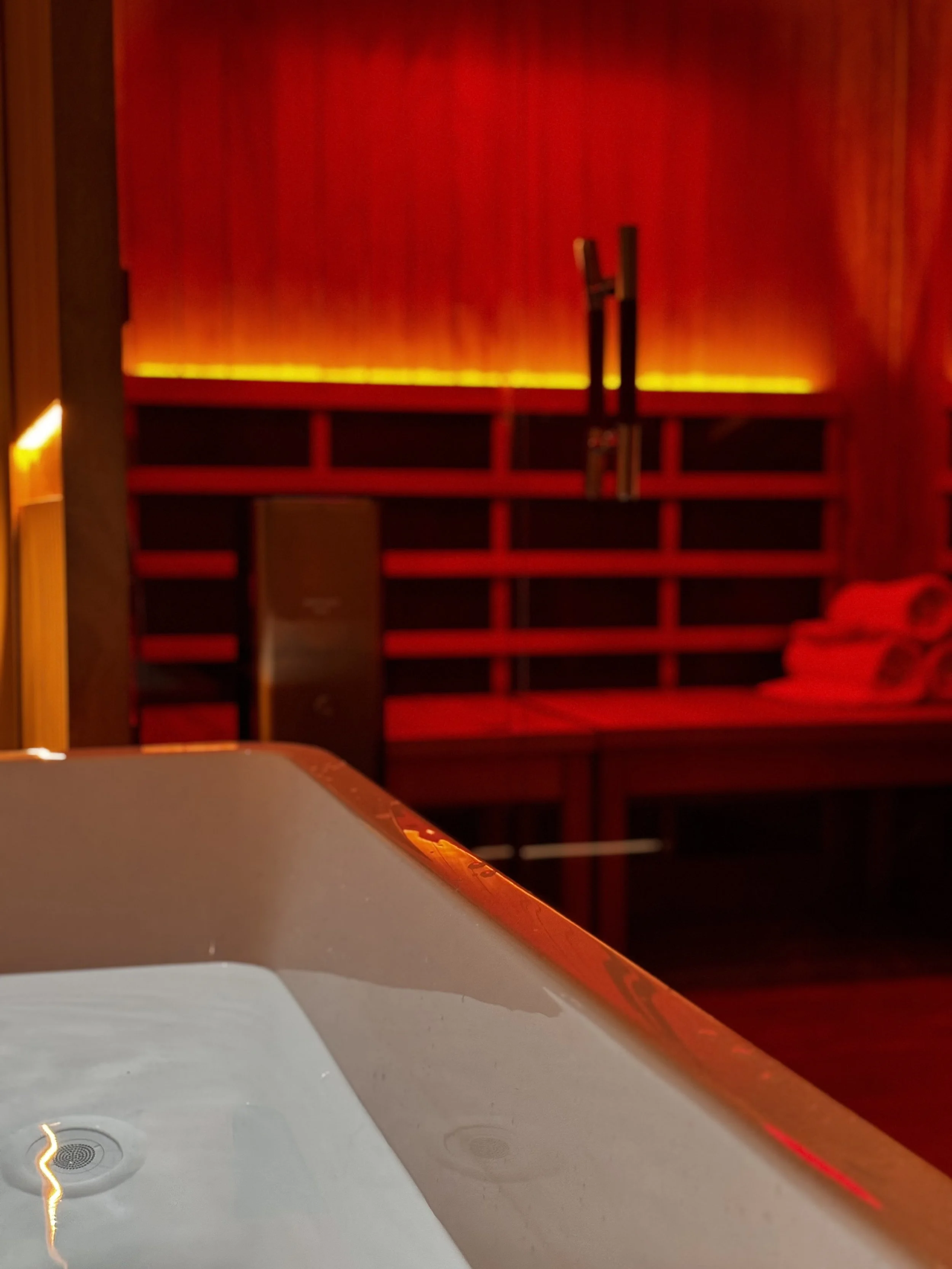
Over time, what we rehearse mentally becomes what the mind returns to most naturally. And then the body follows. The brain loves efficiency. So it will wire itself to what it hears the most. This is why our inner language is not just an intimate exchange between neurons. It is a creative act. A form of authorship. The stories that we repeat to ourselves in silence become the ones that we live out loud.
Elevated living begins with attention. With choosing conscious language that allows the nervous system to soften enough into safety and possibility rather than brace for repetition.
YOUR IDENTITY, PRACTICED DAILY
If our self talk is writing the script, our habits are the performance. Your identity is formed in the way you wake up, the way you speak to yourself, the way you move through ordinary moments when nobody is watching. When you choose presence over rushing or nourishment over neglect your body begins to trust you. When you turn the mundane into magic by the way of incorporating ritual.
Our brains naturally love ritual. Not necessarily for romance, but for relief. Each repeated action reduces decision-making, conserves energy and quietly declares: this is who I am. When we develop decent habits, they stop feeling forced over time. They feel inherent. Part of our personality.
And neuroscience reminds us: identity is not something that is concrete or fixed. It is practiced.
Every small, repeated behavior casts a vote for an identity. You don’t rise to the level of your aspirations, you default to the level of your practiced behaviors. Living well is less about intensity and more about consistency.
The body remembers what the mind repeats.

THE SPACES YOU KEEP
Your environment communicates with you. It is in constant conversation with your nervous system, body, and sense of self. Long before conscious thought arrives, the body has already responded.
The light that shines through your windows. The textures that touch your skin. The colors that catch your eye. These are not simply aesthetics alone. They are neurological cues. Visual clutter increases cognitive load. Certain lighting affects our circadian rhythm as well as emotional regulation. Even the layout of our furniture and our living spaces can influence decision-making. The brain reads these cues constantly, adjusting mood, pace, and behavior without a second thought. We are not separate from what we are surrounded by. Neuroscience suggests that the mind extends into our environment, mirroring stability or chaos from what is reflected most often.
When you curate your environment with care, you are practicing self-respect in physical form. Your space is not simply where you exist. It is how you are held.
ELEVATED LIVING AS DAILY PRACTICE
It all comes together in the end. Self talk shapes our perception. Our perception drives our actions. Our actions become habits. Our habits confirm our identity. And our environments sustain and support us.
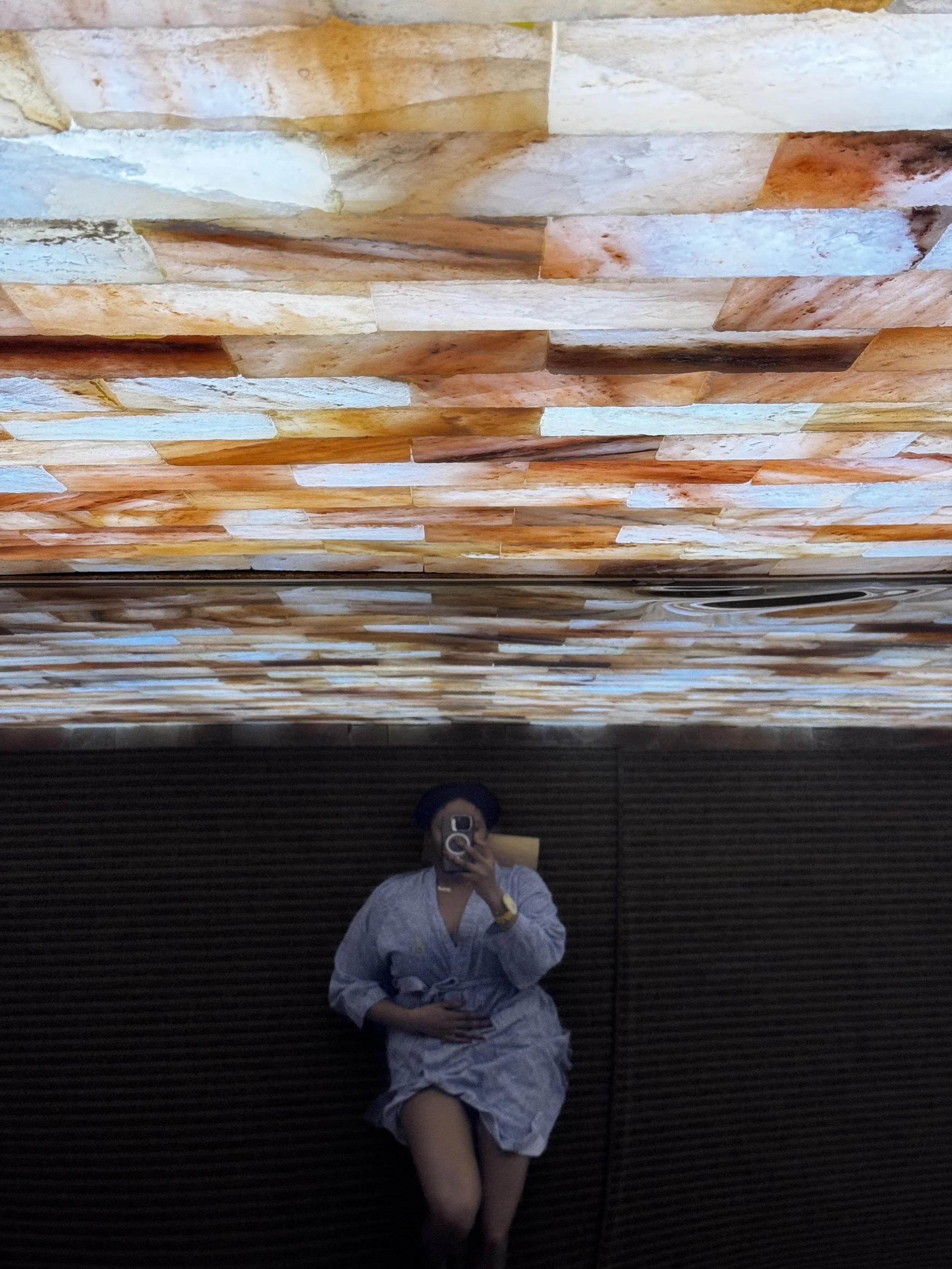
When our thoughts, habits and environment are aligned, change and decisions that support our wellbeing stop feeling like effort and start feeling like inevitability. Elevated living is often mistaken for refinement, luxury or status. But it is truly about carefully choosing what you allow to repeat. Luxury, in this sense, is consciousness. The ability to notice the patterns that shape you and refine them with tenderness and intention.
So the question is not, “Who do I want to be?” It is, “What am I reinforcing every day without noticing?”
Because the brain doesn’t really respond to desire. It responds to devotion.
CLOSING THOUGHTS
You are not your thoughts. You are the patterns that you allow to persist.
Each day you are becoming who you practice being. And that practice becomes a life that feels like home when curated with care. There’s no need to force anything either. Simply start noticing what you live inside of including the language, the rhythms, the environment.
Over time, it becomes you.