The alarm goes off at 5 AM and the performance of productivity begins. It is natural for us to meet our mornings with awareness and focus, grounded in determination to move toward accomplishing our goals for the day. Evenings, by contrast, are often treated as an afterthought. Something we collapse into rather than consciously come into.
But neuroscience lets us know that how we end our day matters just as much as how we start it.
Unfortunately, these days the evenings bring racing thoughts, sleep that takes its precious time to come, and a body that refuses to power down. Why? The body has not yet received the message that it is safe. And so the mind remains alert, bracing for the day long after the sun has already gone down.
Now, we can see the evening ritual as both indulgence as well as regulation.
Why the Brain Needs Ritual to Feel Safe
Our nervous system seeks patterns by design. Long before logic enters the picture, the brain is repeating one question: Am I safe?
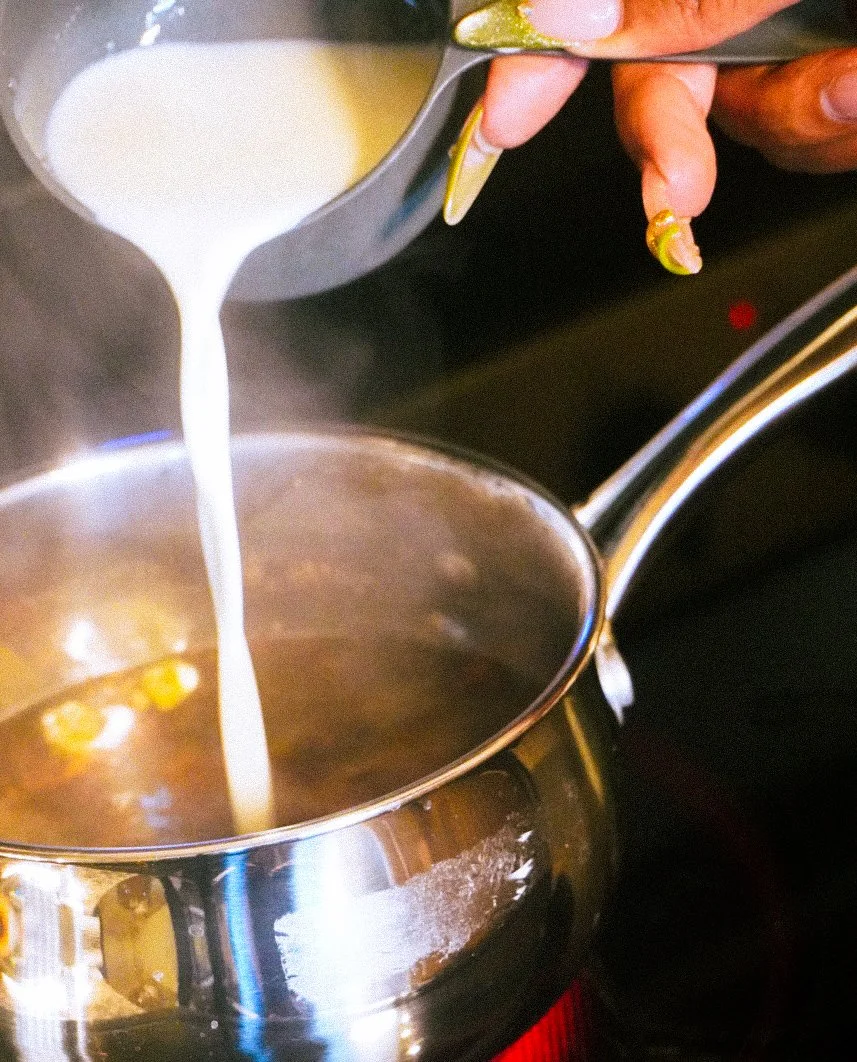
Predictable, repeated behaviors like dimming the lights, preparing hot water and herbs for tea, or playing soft music send powerful cues to the nervous system that the environment is secure. Studies show that when these cues are consistent, nighttime cortisol levels decrease, allowing the body to transition more easily into rest.
Rituals teach the brain what comes next. And when the brain knows what to expect, it can relax. Structure feels soothing rather than restrictive when approached and shaped with intention.
Predictability Over Perfection
A common misunderstanding in wellness is the idea that effectiveness depends entirely on optimization, rather than presence and consistency. But consistency > complexity.
The nervous system responds most readily to conditions that feel familiar, simple, and gently predictable. It loves familiar sensory cues like scents, lighting or sounds. Moments that don’t require decision-making or mental effort. Gentle patterns and rhythms that the body can anticipate and soften into.
A simple ritual performed most nights will calm the body more effectively than an elaborate routine that you only do occasionally. The goal here is to reassure the body.
Think of evening rituals as quiet agreements you keep with yourself.
How to Help Evening Rituals Stick
The secret to sustainable rituals is partly discipline, but mainly it is design.
The following tips are going to help you create rituals that become second nature:
Anchor Them to Existing Behaviors
Instead of attempting to build an entirely new routine, just attach rituals to something you already do. Tea after dinner. Journaling after your skincare routine. TV off once the lights dim.
Engage the Senses
What we experience through the senses leaves a deeper imprint on the brain than abstract goals. Warmth, scent, low light, and sound create emotional memory. And you can tailor this however you like, making the ritual something the body looks forward to.
Lower the Bar
A ritual should feel attainable even on your most depleted days. One sentence in the journal. One stretch on the mat. One deep breath. Even the smallest cues send a message to the brain that we are safe and it is okay to disengage from the day.
Repeat the Same Order
Sequence matters. As the body learns a consistent rhythm, it begins to trust to become next. First, dimming the lights, then preparing the herbs and water for tea, then stillness. Over time, this repetition signals safety, allowing the body and the mind to let go sooner each night.
Evening Ritual Ideas
Not every ritual needs to look the same. What matters is how it feels in your body. Here are a few gentle ideas to explore:
The Low Light Hour
Use dim lighting and rely on lamps or candles. This signals to the brain to begin melatonin production and lowers overstimulation.
Herbal Tea as Transition
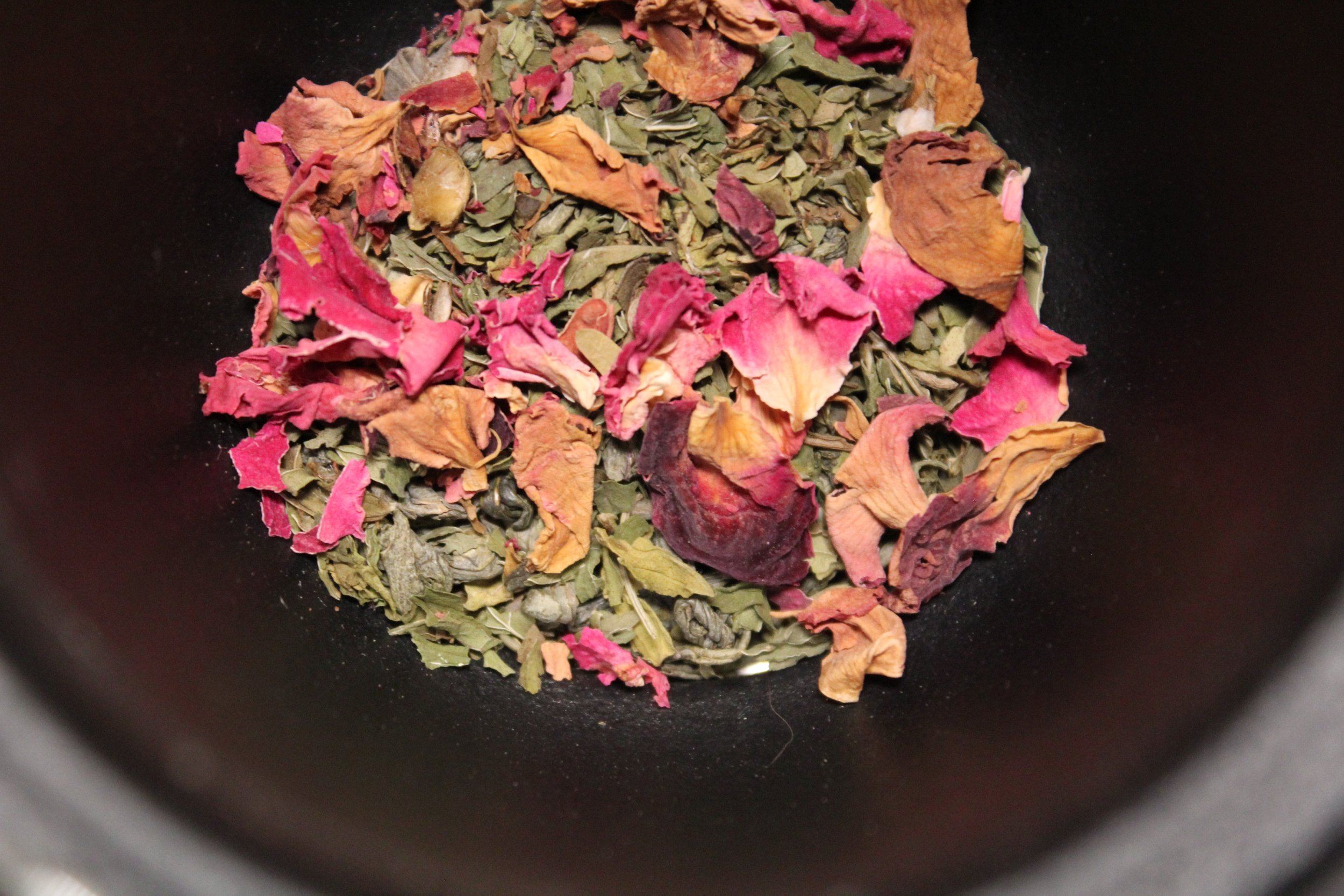
Chamomile, lemon balm, rose, or lavender support relaxation while offering warmth which is a natural signal of safety.
Sound Without Demand
Choose music that moves slowly and predictably. Soul, jazz, or ambient music helps to regulate breathing and heart rate.
Intentional Touch
Apply lotion or oil to the hands, neck, and shoulders to activate the parasympathetic nervous system through gentle pressure and again, warmth.
Low-Demand Reflection
Instead of structured journaling, try writing just a single sentence like, “Tonight, I release…”
The goal is simply expression, not analysis.
A Clear Ending Cue
Blowing out a candle, closing a book, or a certain scent signals completion. We are telling the nervous system thank you but it no longer needs to stay alert.
A Softer Way to End the Day
Beyond better sleep, evening rituals also cultivate a sense of self-trust. Each time you show your body that rest is allowed, you strengthen the internal sense of safety. Over time, the nervous system learns that slowing down does not lead to loss, but is a means towards restoration. Rest becomes an experience that you choose rather than something that finally overtakes you.
A softer evening teaches the body that it will not be abandoned once productivity ends. That worth is not measured by output. That there is a soft place to land when the day is over. And over time, this becomes an improved relationship. With rest, with safety, with yourself.
Not every night will be perfect. Some will be messy, late, restless. The power is not in execution, but in the promise. The quiet decision, again and again, to end the day with care rather than collapse.
An evening ritual is not about becoming a better version of yourself by tomorrow morning. It is about honoring who you are at the end of today.